
Electric vehicles (EVs) are becoming more popular across Florida. As more homeowners switch to electric cars, having a convenient way to charge at home is becoming increasingly important. But choosing the right charger can be confusing, especially when comparing a Level 1 vs Level 2 EV Charger.
Both charging options can work well, but they are designed for different needs. Level 1 charging is simple and usually requires less equipment, while Level 2 charging can provide significantly faster charging for drivers who use their EV frequently.
So, which option is right for your Florida home? Let’s compare the two and look at charging speed, installation, cost, and everyday convenience.
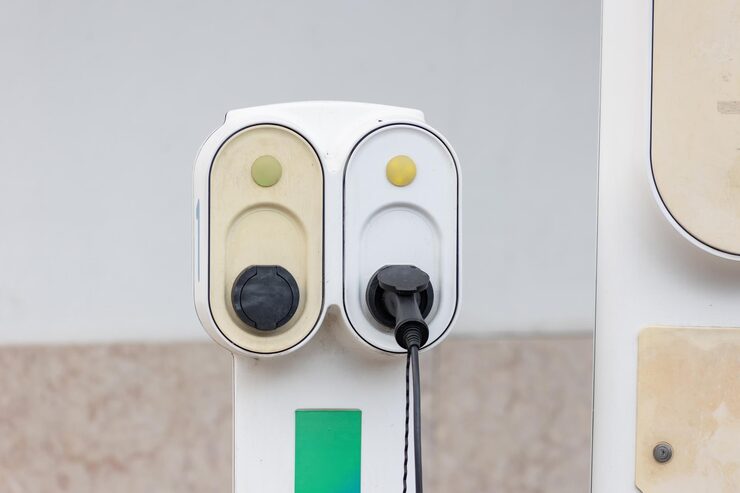
What Is a Level 1 EV Charger?
A Level 1 charger is the simplest type of home EV charging option. It generally uses a standard household electrical outlet, making it convenient for homeowners who do not want to install dedicated charging equipment. A Level 1 home EV charger typically provides a slower charging rate than a Level 2 charger. However, that does not mean it is unsuitable for everyone.
If you drive short distances each day and leave your vehicle parked for many hours overnight, Level 1 charging may provide enough energy for your daily driving needs.
Benefits of Level 1 Charging
- Simple setup
- Uses a standard household outlet
- Lower upfront equipment costs
- Suitable for drivers with shorter daily commutes
- Convenient for overnight charging
- May not require a dedicated EV charging circuit
The biggest limitation is charging speed. The Level 1 EV charging speed is relatively slow compared with Level 2.
What Is a Level 2 EV Charger?
A Level 2 charger is a faster home charging solution that typically requires a dedicated electrical circuit and professional installation. For many EV owners, a Level 2 home EV charger is a better choice because it can add substantially more driving range during the same charging period.
Level 2 chargers are especially useful for homeowners who drive longer distances, have multiple vehicles, or want their EV to recharge more quickly between trips.
Benefits of Level 2 Charging
- Faster charging
- More convenient for daily EV use
- Better suited to longer commutes
- Can provide more charging flexibility
- Ideal for many regular home-charging situations
- Can support some higher-demand EV charging needs
Because electrical requirements vary by home and charger, professional assessment is important before installation.
Level 1 vs Level 2 EV Charging: What’s the Difference?
The biggest difference between Level 1 vs Level 2 EV charging is how quickly the vehicle can receive electricity. Level 1 uses a standard household electrical supply and generally delivers a slower charging rate. Level 2 operates at a higher voltage and can deliver electricity to the vehicle much faster.
This difference becomes especially noticeable when you need to recharge a larger battery or drive many miles each day.
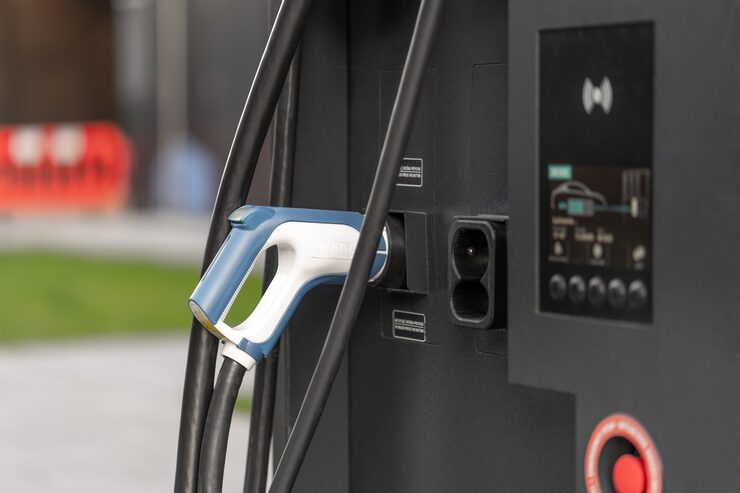
Level 1 vs Level 2 Charging Time
Level 1 vs Level 2 charging time can vary depending on the vehicle, battery size, battery state of charge, and charger output. As a general example, Level 1 may add only a modest amount of driving range over several hours. Level 2 can typically add significantly more range during the same period.
For someone who drives only a short distance each day, Level 1 may be sufficient. For someone who regularly drives longer distances, Level 2 can provide much greater convenience.
Level 1 vs Level 2 Charger Cost
Another important consideration is the Level 1 vs Level 2 charger cost. Level 1 is usually the less expensive option because it can often use an existing household outlet and does not require dedicated charging equipment installation.
Level 2 generally costs more because the installation may involve a dedicated circuit, electrical upgrades, wiring, a suitable mounting location, and professional labor. However, the initial cost is only one part of the decision. You should also consider how often you drive and how valuable faster charging is to your daily routine. For frequent EV drivers, paying more for Level 2 may provide greater convenience over time.
Does Your Florida Home Need Level 1 or Level 2?
The best choice depends on your driving habits and your home’s electrical system.
Choose Level 1 If:
A Level 1 charger may make sense if:
- You have a short daily commute.
- Your EV remains parked overnight.
- You do not need fast charging.
- You want a simple charging setup.
- You rarely drive long distances.
- Your existing electrical setup is suitable for the intended use.
Choose Level 2 If:
A Level 2 charger may be better if:
- You drive your EV every day.
- You have a longer commute.
- You frequently take longer trips.
- You want faster overnight charging.
- You need more flexibility between drives.
- You have more than one EV or plug-in vehicle.
- Your home’s electrical system can support the installation.
For many active EV owners, a Level 2 EV charger for home offers a more convenient long-term solution.
What About Level 2 EV Charger Installation?
Level 2 EV charger installation should be handled carefully because it can involve your home’s electrical system. Before installation, an electrician may need to evaluate the electrical panel, available capacity, wiring, breaker requirements, charger location, and overall electrical load.
If your home has an older electrical panel or limited capacity, an upgrade may be necessary before installing a Level 2 charger. Professional installation can help ensure that the charger is connected correctly and that the electrical system is suitable for the added load.
Why Florida Homeowners Should Think About Their Electrical System
Florida homes can have different electrical configurations, ages, and power demands. Your air conditioner, appliances, pool equipment, water heater, and other major electrical loads may already place significant demand on your electrical system.
That is why choosing a charger should not be based only on charging speed.
Before installing a new EV charger, consider:
- Electrical panel capacity
- Existing electrical loads
- Distance between the panel and charger
- Required breaker and wiring
- Indoor or outdoor installation location
- Charger specifications
- Future EV charging needs
A professional electrician can evaluate these factors and recommend an appropriate solution.

EV Charging at Home: Making the Right Choice
EV charging at home is one of the biggest conveniences of owning an electric vehicle. Instead of visiting a public charging station regularly, you can charge your vehicle while it is parked at home. The right charger depends on how you use your vehicle.
If your EV is mainly used for short trips and remains parked for long periods, Level 1 may be enough. If you need faster charging and drive frequently, Level 2 may be a better investment. When comparing a Level 1 vs Level 2 charger, think about your everyday routine rather than simply choosing the charger with the highest charging speed.
Get Professional EV Charger Help From Superior Electric and Air PB
Choosing between Level 1 and Level 2 is easier when you understand your home’s electrical capacity and your daily driving needs. Superior Electric and Air PB can help Florida homeowners evaluate their electrical systems and determine what type of EV charging setup makes sense for their property.
Whether you are considering a Level 1 home EV charger or planning a professional Level 2 installation, getting the electrical work evaluated by a qualified professional can help you make a safer and more practical decision. If you are planning to install an EV charger at your Florida home, contact Superior Electric and Air PB to discuss your EV charging needs and installation requirements.
FAQs About Level 1 vs Level 2 EV Chargers
What is the main difference between a Level 1 and Level 2 EV charger?
Level 1 uses a standard household outlet and charges more slowly. Level 2 requires a dedicated circuit and provides faster EV charging.
Is Level 2 charging better than Level 1 for a Florida home?
Level 2 is ideal for frequent or long-distance drivers who need faster charging. Level 1 may work well for shorter daily commutes.
How long does a Level 1 EV charger take to charge a car?
Level 1 charging can take many hours, depending on the vehicle’s battery size, charging system, and the amount of energy needed.
Does a Level 2 EV charger require professional installation?
Yes, Level 2 chargers commonly require a dedicated circuit and proper wiring. Professional installation helps ensure a safe and reliable setup.
How do I choose between a Level 1 vs Level 2 EV charger for home use?
Consider your daily driving distance, charging needs, electrical capacity, and budget. Level 2 is generally better for frequent drivers, while Level 1 can suit lighter use.